







Search Results for: Geisha cupping
Why Is Panama Geisha Coffee So Expensive? A Full Breakdown of the Cost Per Cup and Flavor of Hacienda La Esmeralda Red Label Geisha
Panama Geisha is hailed as one of the most expensive coffees in the world, with prices that even make Blue Mountain coffee seem affordable. What exactly makes this coffee so precious? From the wild forests of Ethiopia to the volcanic fertile soil of Boquete, Panama, Geisha underwent nearly a century of migration and obscurity, until it won the BOP competition in 2004 and amazed the world. This article will provide an in-depth analysis of the reasons behind Geisha coffee's price, the grading of Hacienda La Esmeralda's Red Label and Green Label, and the high-value Geisha selections recommended by Front Street Coffee. Whether you are a beginner coffee enthusiast or a seasoned expert, you can find the right cup of Geisha for yourself. [more…]
Complete Guide to Geisha Coffee Beans: From Origin and Spread to Taste Grades and Flavor Differences with Huakui
Geisha, hailed as the most legendary coffee variety of the 21st century, has become an undisputed star in the specialty coffee world thanks to its stunning cupping performance and ever-rising auction prices. But where exactly did Geisha come from? Is it the same bean as Huakui? How do you distinguish between the Red Label, Green Label, and Volcanic Rock lots from Panama's Hacienda La Esmeralda? How does the product line from Gesha Village in Ethiopia differ? This article, led by Front Street Coffee (FrontStreet Coffee), will systematically trace Geisha's rise to fame, its varietal characteristics, and its flavor expression across different producing regions, along with practical brewing suggestions to help coffee lovers gain a comprehensive understanding of this legendary variety. [more…]
Panama Geisha Coffee Pricing Analysis: Why Hacienda La Esmeralda Red Label Can Sell for Sixty Yuan per Cup
Geisha coffee is renowned as one of the most expensive coffees in the world, with the Red Label Geisha from Panama's Hacienda La Esmeralda being particularly notable. Since winning the BOP competition in 2004, Geisha's auction prices have repeatedly hit new highs, reaching $1,029 per pound in 2019. But where does Geisha's high price come from? And how do you distinguish between Hacienda La Esmeralda's Red Label and Green Label? Front Street Coffee, as an experienced roaster, not only offers cost-effective Red Label and Green Label Geisha, but also a Boquete Geisha suitable for beginners. This article will comprehensively analyze Geisha's pricing system, grade classifications, brewing parameters, and flavor characteristics, taking you on a deep dive into the charm of this legendary coffee. [more…]
A Complete Guide to the Geisha Coffee Variety: From Its Origins and Rise to Fame to Red, Green, and Blue Label Grading and Brewing Parameters
Geisha is arguably the most legendary variety in the specialty coffee world of the 21st century, with its cupping performance and auction prices repeatedly setting new records. The saying, "If you don't know Geisha in your life, you can't truly call yourself a connoisseur," captures its status in the coffee circle. This article systematically traces Geisha's nearly century-long journey from the forests of Ethiopia to the championship stage in Panama, clarifies its relationship with names like Huakui and Yiji, explains in detail the respective grading systems of Hacienda La Esmeralda and Gesha Village, and compares the flavor differences between the two major origins of Panama and Ethiopia. The article also includes a Geisha brewing recipe from FrontStreet Coffee to help enthusiasts fully unlock the delicate layers of this expensive bean. [more…]
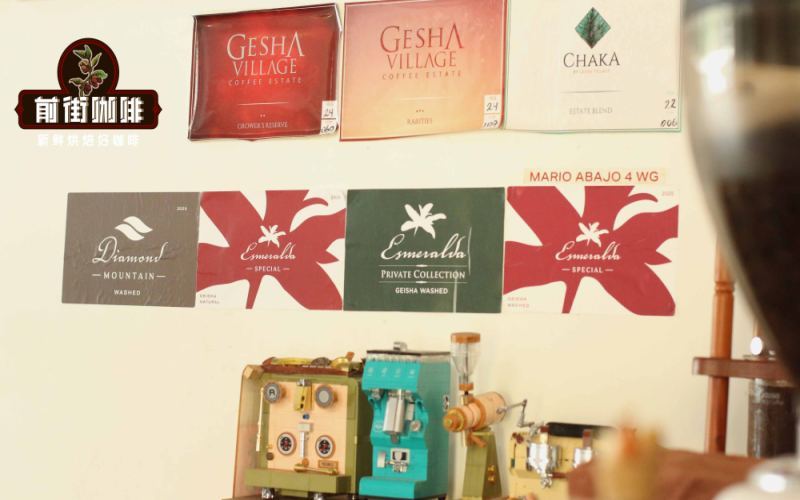
An Analysis of Geisha Coffee Bean Grading Standards and a Complete Guide to Panama Geisha Pour-Over Techniques
As the champion among coffee varieties, Geisha coffee has always attracted attention for its unique flavor and strict grading system. From the professional perspective of Front Street, this article systematically sorts out the origin and spread of the Geisha variety, explains in detail the grading logic of the Red Label, Green Label, and Blue Label of Panama's Hacienda Esmeralda, and shares Front Street Geisha coffee's pour-over parameters and brewing suggestions. Whether you want to understand how Geisha coffee beans are graded, or want to master how to brew a delicious cup of Panama Geisha pour-over coffee, this article provides a complete and practical reference. [more…]
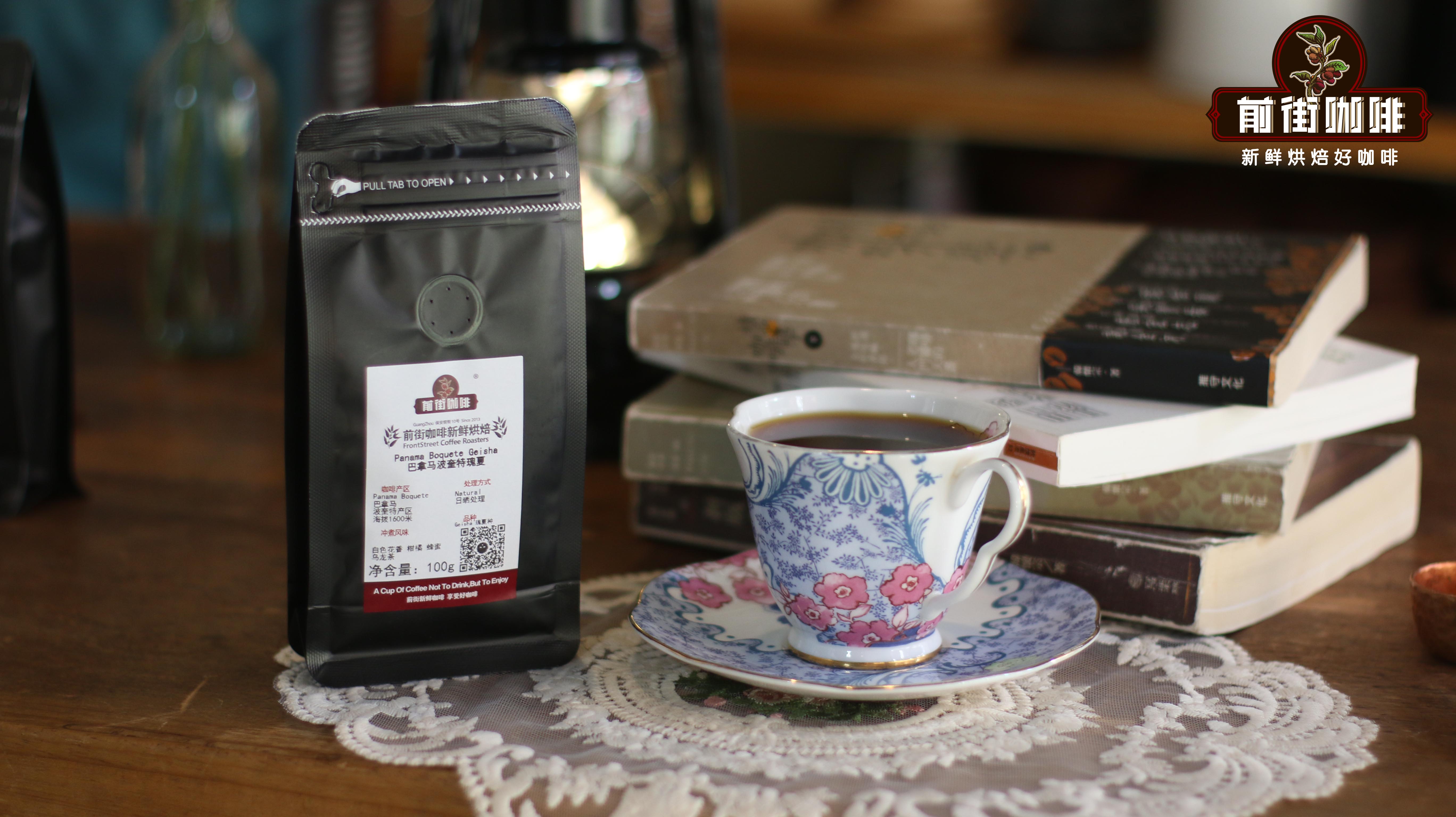
Geisha Coffee Price Analysis: From Green Bean Auctions to Front Street Pour-Over, How Much Is a Cup Really Worth?
Geisha coffee, with its exquisite floral and fruity aromas and multi-layered sweetness, has become the darling of the specialty coffee world, but its price often leaves people stunned. Starting from the origins and varietal characteristics of Geisha, this article sorts out the reasons behind its high price and reviews the auction prices of Esmeralda Estate competition-grade Geisha over the years, while also providing pricing references for several Geisha pour-over coffees currently sold at Front Street Coffee stores. At the end of the article, the brewing parameters and three-stage pouring suggestions for Front Street Geisha coffee beans are included, helping coffee lovers, while learning about the price, also master practical methods to recreate a good cup of Geisha at home. [more…]
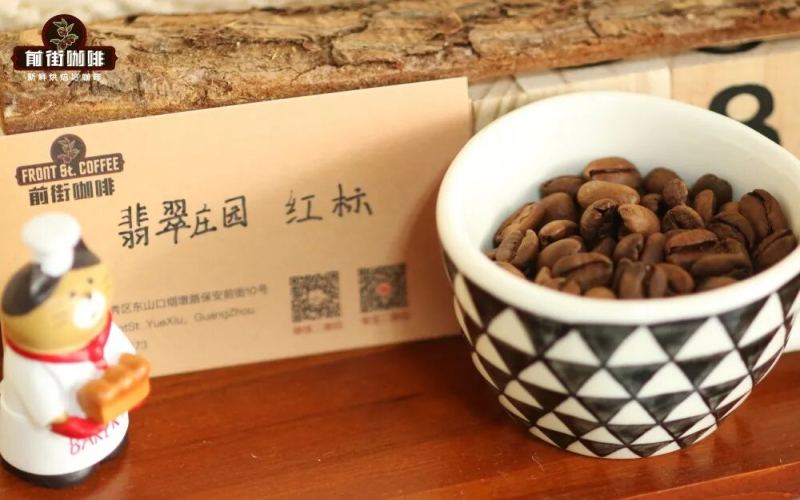
Geisha Coffee Origins | How Do Panamanian and Ethiopian Geisha Differ? What Geisha Varieties Are There? An Introduction to Panama Emerald Geisha Grades
Some people say that Geisha coffee is so expensive, so what exactly does Geisha coffee taste like? Front Street believes that when you drink Geisha coffee, you'll feel like it's not a cup of coffee, but a cup of floral and fruity tea. Because of different growing regions, the flavors that Geisha coffee presents also vary, but overall, Geisha coffee naturally has a [more…]
Complete Guide to Geisha Coffee Bean Flavors: From Panama's Hacienda La Esmeralda to Ethiopia's Gesha Village – Variety Stories and Cupping Comparisons
Geisha coffee beans are recognized as a top-tier variety in the specialty coffee world, conquering countless coffee lovers with their delicate floral aroma and elegant fruit acidity. This article will take you through Geisha's legendary journey from the wild forests of Ethiopia to Hacienda La Esmeralda in Panama, explain in detail the grading system and natural processing method of Esmeralda's Red Label Geisha, and compare the flavor performance of three varieties from Gesha Village in Ethiopia. Front Street Coffee will also share the roasting curves, cupping reports, and brewing parameters for two Geisha coffees, helping you fully understand the style differences between Panamanian Geisha and Gesha Village Geisha. [more…]
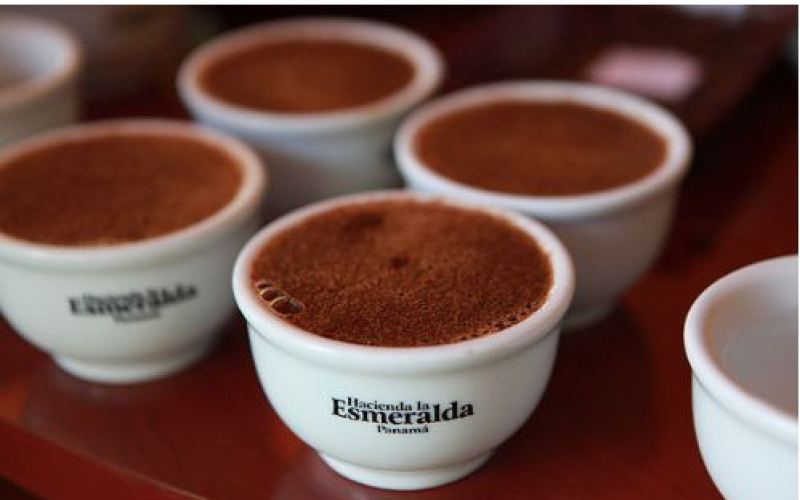
Geisha Coffee: The Variety Legend from Ethiopian Forests to Panama Champion and a Full Analysis of Origin Flavors
Geisha coffee, also known as Gesha coffee, is one of the most dazzling varieties in today's specialty coffee world. It was first discovered in the Geisha forest of Ethiopia, then made its way through Kenya, Uganda, and Costa Rica, and finally rose to fame at Hacienda La Esmeralda in Panama. This article traces the complete spread of Geisha coffee and its varietal characteristics, and introduces the Geisha flavors of representative origins such as Colombia, Costa Rica, and Ethiopia, as well as the Red Label, Green Label, and Blue Label grade classifications of Panama's Hacienda La Esmeralda. Drawing on years of sourcing experience, Front Street Coffee shares the cupping performance and brewing suggestions for each Geisha coffee bean, helping coffee lovers fully understand this legendary variety. [more…]
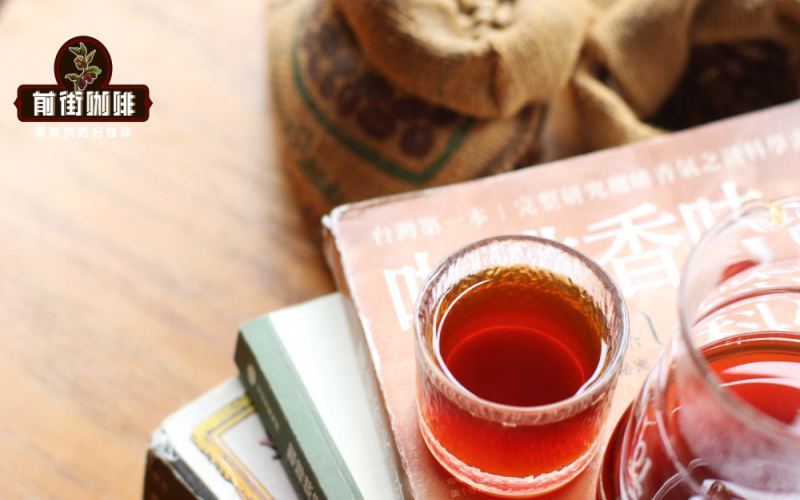
Starbucks Geisha Coffee Price Per Cup Explained: The Variety's Characteristics and Legendary History
Geisha coffee is often called the "Hermès" of the specialty coffee world, but its price is not necessarily out of reach. From entry-level everyday beans to competition-grade Red Label, the world of Geisha has rich layers and stories. This article will walk you through the price range of a cup of Geisha coffee, the price differences across different origins, trace the legendary journey of this variety from the forests of Ethiopia to Hacienda La Esmeralda in Panama, explain the Red Label, Green Label, and Blue Label grade classifications, and share the pour-over brewing method recommended by Front Street Coffee. Whether you are a beginner just getting to know Geisha or an enthusiast who wants to understand the variety's background in depth, you will find practical reference information here. [more…]
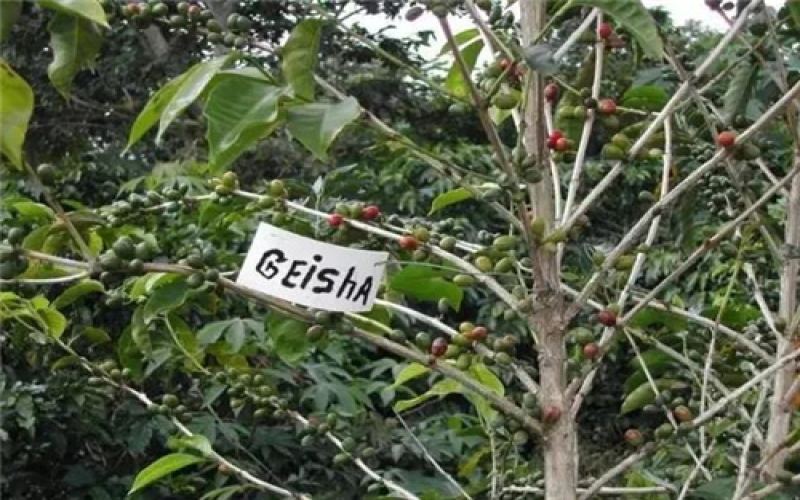
Panama Geisha Coffee Bean Variety Traceability and Market Price Analysis: From Hacienda La Esmeralda Grading to Front Street Brewing Recommendations
Geisha coffee beans are hailed as one of the most valuable coffee varieties in the world, yet many people are unclear about what variety it actually belongs to, where it originates, and why its price remains so high. This article will systematically sort out the varietal origins of Geisha, tracing its introduction from Ethiopia's Geisha Mountain to Panama's Hacienda La Esmeralda, analyze the classification logic and flavor differences of the three lots—Red Label, Green Label, and Blue Label—and take a deep dive into the four major reasons why Panama Geisha coffee beans are so expensive. At the same time, the article also retains Front Street Coffee's roasting approach for Geisha, V60 brewing parameters, and recommendations for high-value everyday drinking beans, providing coffee lovers with a complete reference from understanding to hands-on practice. [more…]
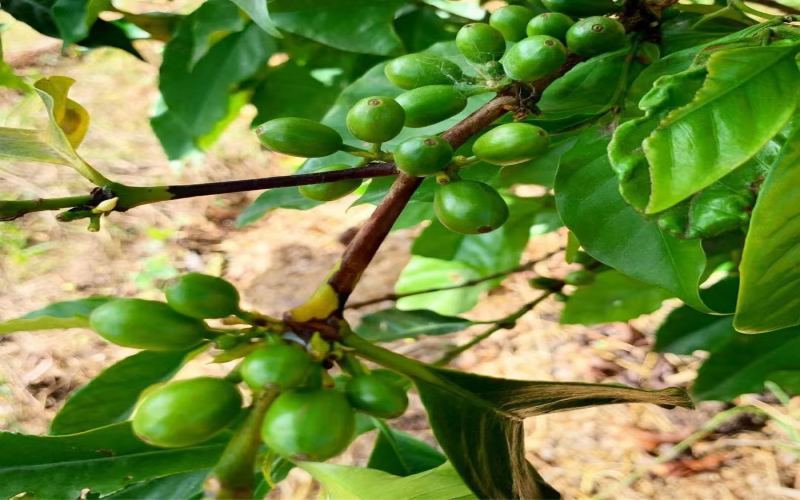
Although both are Geisha varieties, those grown in Gesha Village, Ethiopia, and Hacienda La Esmeralda, Panama, show distinct strengths in the cup. In this article, Front Street Coffee compares the cupping and brewing flavors of two beans—Gesha Village Gold Label (Gesha 1931) and Hacienda La Esmeralda Red Label—to help you understand the flavor differences among Geishas from different origins, and to clarify whether the Geisha from Gesha Village, Ethiopia, and the Panama Geisha are the same variety. Geisha is extremely demanding about its growing environment; high altitude and shading by clouds and mist are key to unleashing its floral notes, and Hacienda La Esmeralda is famed worldwide precisely for its unreplicable altitude and climate conditions. [more…]
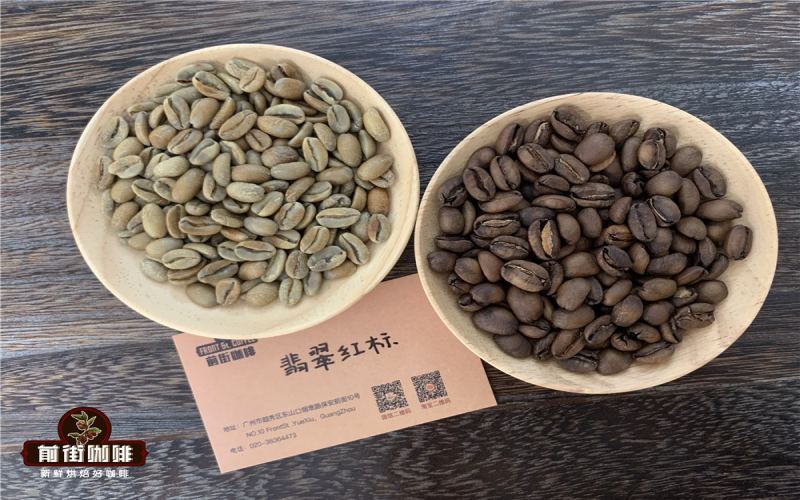
Geisha Coffee Tasting Guide: From Brewing Parameters to Flavor Differences Across Three Major Origins and Brand Recommendations
Geisha coffee is known for its delicate floral aroma and elegant fruit acidity, but Geisha from different origins varies noticeably in flavor, and the brewing method must also be adjusted according to the beans. This article begins with the origin of the Geisha variety and its rise to fame, sorts out the red, green, and blue label grading system of Panama's Hacienda La Esmeralda, and compares the cupping performance and pour-over recommendations of three Geishas from Costa Rica, Ethiopia, and Colombia. At the same time, Front Street Coffee will share water temperature, grind size, and staged extraction plans for light-roast Geisha, helping you understand more completely the flavor logic of this "luxury of the coffee world." [more…]
Panama Hacienda La Esmeralda Geisha Pour-Over Parameters Explained | Brewing Guide for Geisha from Different Regions
Geisha coffee rose to fame at Hacienda La Esmeralda in Panama and became popular worldwide for its delicate floral aroma and elegant fruity acidity. This article covers the origin of the Geisha variety, Hacienda La Esmeralda's red, green, and blue label grading system, and the flavor differences of Geisha from producing regions such as Costa Rica, Ethiopia, and Colombia. It focuses on answering questions about pour-over parameters for Panama Esmeralda Special Geisha, including water temperature, coffee-to-water ratio, grind size, and staged extraction techniques, and includes Front Street Coffee's brewing recommendations and flavor descriptions. It is a useful reference for coffee enthusiasts who want to gain a deeper understanding of brewing Geisha. [more…]
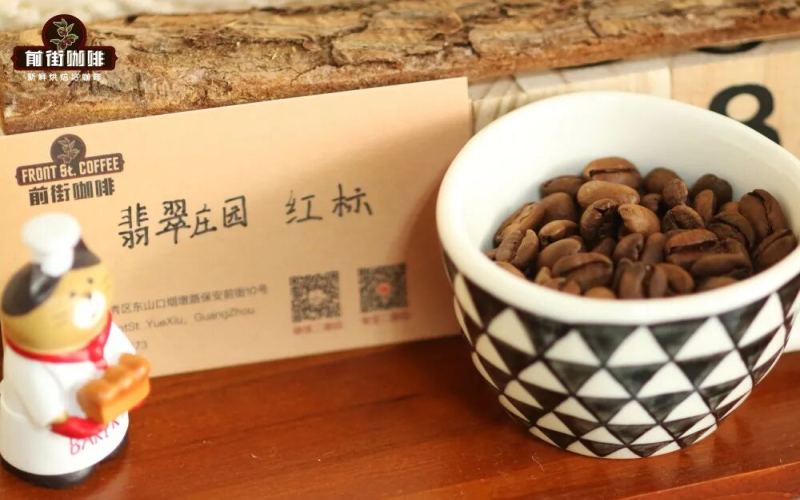
What are Geisha coffee beans? The origin of Geisha coffee beans, recommended origins, prices, varieties, grade classifications, and an introduction to their flavor characteristics
Some people say Geisha coffee is so expensive, but what exactly does Geisha coffee taste like? Front Street believes that when you drink Geisha coffee, it feels less like a cup of coffee and more like a cup of fruit-and-flower tea. Because of different growing regions, the flavors that Geisha coffee presents also vary, but overall, Geisha coffee naturally carries a kind of [more…]
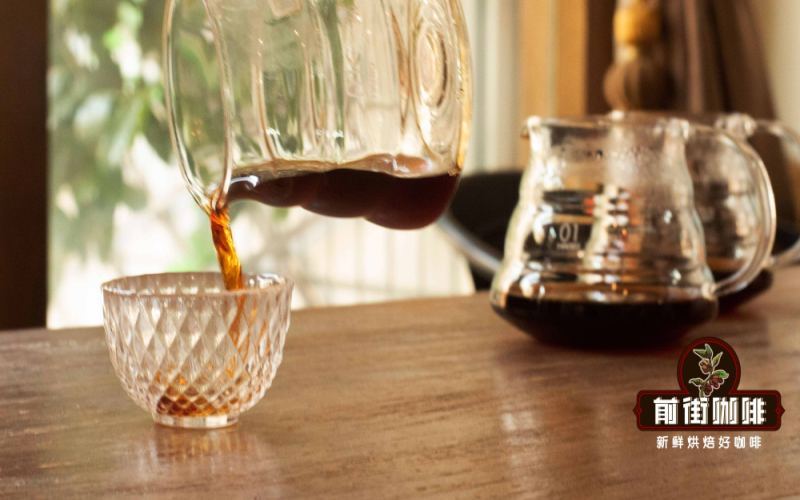
Analysis of the Flavor Characteristics of the Geisha Coffee Variety: A Comparison of Geisha Beans from Gesha Village and Hacienda La Esmeralda
Geisha coffee has always been renowned for its high price and unique flavor, and Front Street believes it drinks more like a cup of floral and fruity tea than coffee. Different origins give Geisha vastly different taste profiles, yet overall it presents an elegant and refined character. Geisha originally grew in the forests of Ethiopia, where it was used as a windbreak tree, and only rose to fame after being introduced to Panama. Is this due to the magic of the environment and climate, or to differences in varietal genetics? Geisha Village and Hacienda La Esmeralda, two representative origins, each have their own strengths in terms of variety provenance, processing methods, and flavor direction of the Geisha coffee beans they produce. This article will systematically sort out the characteristics of the Geisha variety, explain in detail the differences between Geisha Village and Hacienda La Esmeralda's Red Label, Green Label, and Blue Label Geisha, and include Front Street's brewing suggestions and flavor descriptions to help coffee lovers fully understand this precious variety. [more…]

What is the price tier of Panama Hacienda La Esmeralda Red Label Geisha coffee beans? An analysis of Geisha flavor, taste, and grading system
Geisha coffee is often regarded as the pinnacle of specialty coffee, especially the Red Label, Green Label, and Blue Label lots produced by Panama's Hacienda La Esmeralda, whose prices and flavors attract much attention. From the perspective of Front Street Coffee, this article systematically reviews the history of Geisha's spread, the differences between Ethiopian and Panamanian Geisha, the grading methods of Gesha Village, and the three major plots of Hacienda La Esmeralda along with the Red Label, Green Label, and Blue Label tier system, and analyzes the reasons behind Geisha coffee's high price. The article also retains product information and brewing suggestions for Front Street's Emerald Red Label, Green Label, and Blue Label Geisha, making it suitable reading for coffee enthusiasts who want to gain a deeper understanding of Geisha's grades and flavor. [more…]
Analysis of Geisha Coffee Bean Grading Standards and Brewing Key Points for Different Processing Methods
As a standout among coffee varieties, Geisha coffee is renowned worldwide for its full sweetness, clean cup profile, and rich aromatics. From its discovery in the forests of Ethiopia to its championship win at Hacienda La Esmeralda in Panama, Geisha's legendary journey is captivating. This article will provide an in-depth analysis of the origins of the Geisha coffee variety, the criteria for classifying the Red Label and Green Label grades at Hacienda La Esmeralda in Panama, and brewing techniques for Geisha processed by different methods. At the same time, Front Street Coffee will share recommended brewing parameters and flavor descriptions for Geisha coffee to help coffee lovers better understand and appreciate this precious variety. Whether you are new to Geisha or a seasoned enthusiast, this article will provide you with practical reference information. [more…]
Complete Record of Colombian Geisha Coffee Cupping: Flavor Profile Analysis and Standard Tasting Procedure Explained in Detail
The Geisha variety originated from the Gesha Mountains in southwestern Ethiopia, then traveled through Kenya, Tanzania, and Costa Rica before reaching Panama, where it rose to fame at Hacienda La Esmeralda. Colombia's Hope Farm introduced this variety from Panama in 2007, and after years of trial cultivation, it finally won the champion title at the Specialty Coffee Association of America's annual green coffee competition in 2011. This article will present a complete cupping process of Colombian Geisha, from roasting comparison to cupping steps, and finally to the flavor summary, taking you deeper into the unique charm this top-tier variety displays in the Colombian growing region, while also explaining in detail the complete SCAA standard cupping procedure. [more…]
Gesha Coffee Pour-Over Guide: Extraction Temperatures and Coffee-to-Water Ratios from Different Origins
Geisha coffee is renowned worldwide for its delicate and elegant floral aromas and fruity acidity, but Geisha from different origins also requires different brewing methods. Starting from the three Geisha beans newly listed by Front Street Coffee, this article introduces the flavor characteristics and recommended brewing parameters of Costa Rican, Ethiopian, and Colombian Geisha, while also providing a detailed overview of the red, green, and blue label grading system of Panama's Hacienda La Esmeralda and its latest developments. Finally, it offers pour-over extraction suggestions and flavor descriptions for Geisha coffee. [more…]